
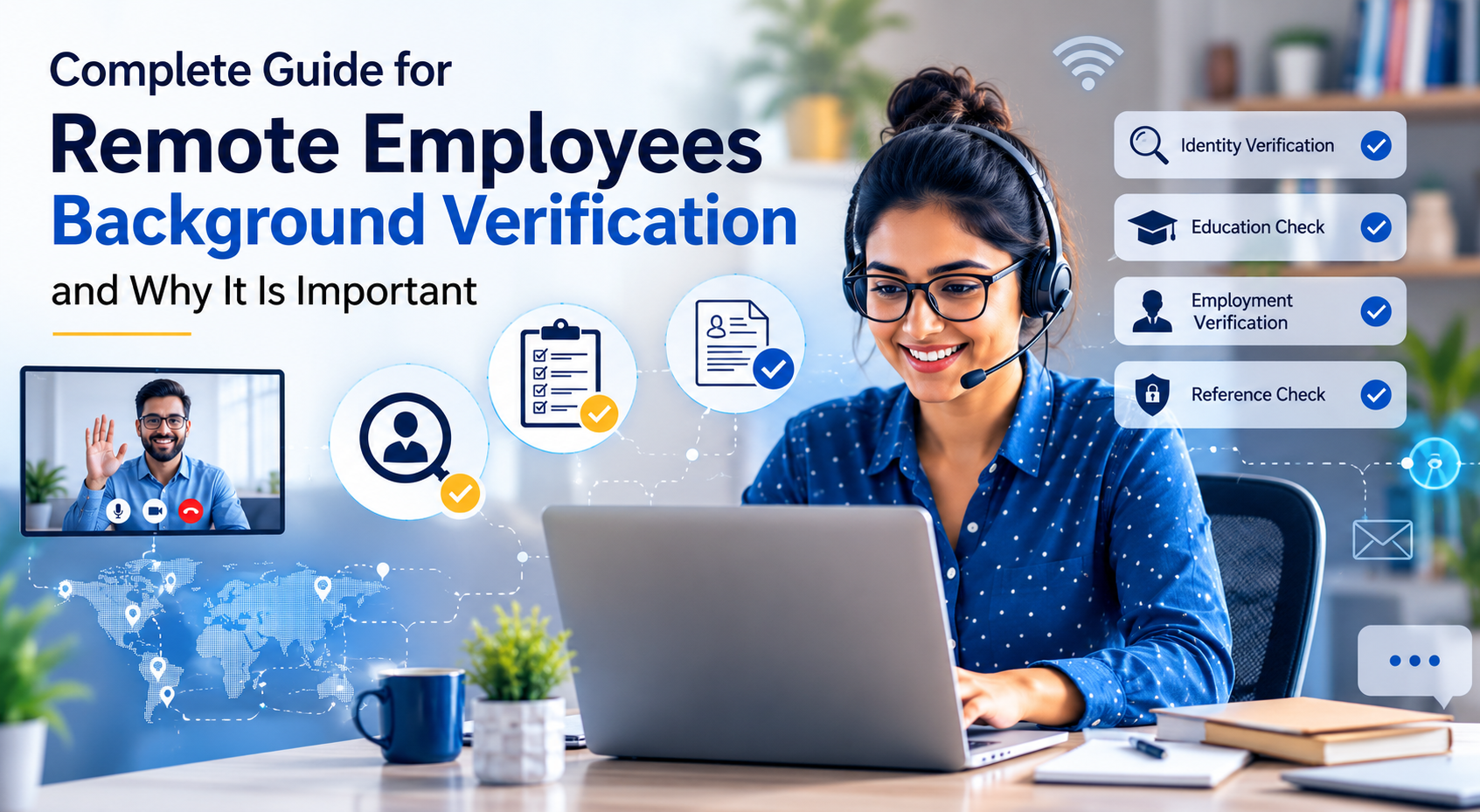
The modern workplace has evolved significantly over the past few years, with remote work becoming a preferred hiring model for organizations across industries. Businesses can now recruit talented professionals from different cities, states, and even countries without requiring them to work from a physical office. While this flexibility offers numerous benefits, it also increases the importance of conducting thorough Background Check Services before onboarding employees.
Remote employees often have access to sensitive business information, customer data, financial records, intellectual property, and critical systems. Without a proper verification process, organizations may expose themselves to security risks, compliance issues, and costly hiring mistakes.
This complete guide explains everything employers need to know about Background Verification for Remote Employees, its importance, the verification process, and best practices for building a trustworthy remote workforce.
What is Background Verification for Remote Employees?
Background verification for remote employees is the process of validating a candidate’s identity, employment history, educational qualifications, address details, criminal records, and professional references before they join an organization.
Unlike traditional hiring, remote recruitment often takes place entirely online. Employers may never meet candidates in person before hiring them. Therefore, verification becomes a critical step to ensure that the information provided by applicants is accurate and genuine.
Professional Background Check Services Bangalore providers like Dcode Research help organizations conduct comprehensive employee verification to minimize hiring risks and maintain workplace integrity.
Why Background Verification is Important for Remote Employees
- Prevents Resume Fraud
Studies have shown that some candidates exaggerate qualifications, job titles, skills, or work experience to improve their chances of getting hired. Background verification helps employers identify discrepancies before making hiring decisions.
- Protects Sensitive Business Information
Remote employees often access confidential company information from personal devices and locations. Verifying their identity and credentials helps reduce the risk of data breaches, fraud, and unauthorized access.
- Reduces Hiring Risks
Hiring the wrong employee can result in productivity losses, financial damages, compliance violations, and reputational harm. Proper screening helps organizations make informed hiring decisions.
- Ensures Compliance
Many industries have regulatory requirements regarding employee screening. Conducting background checks helps organizations comply with industry standards and internal hiring policies.
- Builds Trust and Security
A verified workforce creates a safer working environment for clients, stakeholders, and employees while enhancing organizational credibility.
Key Components of Remote Employee Background Verification
Identity Verification: Identity verification confirms that the candidate is genuinely who they claim to be.
Documents commonly verified include:
- Aadhaar Card
- PAN Card
- Passport
- Driving License
- Voter ID
Identity verification helps prevent impersonation and document fraud.
Employment Verification: Employment verification confirms the authenticity of a candidate’s previous work experience.
Verification typically includes:
- Company name
- Employment dates
- Designation
- Reporting structure
- Reason for leaving
- Rehire eligibility
This process helps identify false employment claims and inflated job roles.
Educational Verification: Educational verification validates academic qualifications and certifications claimed by the candidate.
Checks may include:
- Degree verification
- Diploma verification
- Professional certifications
- Technical qualifications
This is especially important for specialized roles that require specific educational credentials.
Address Verification: Address verification confirms the candidate’s residential information.
It helps organizations:
- Maintain accurate employee records
- Ensure legal compliance
- Verify location-based eligibility
- Reduce identity-related fraud
Criminal Background Verification: Criminal record checks help identify potential legal concerns associated with candidates.
Organizations often perform these checks for positions involving:
- Financial responsibilities
- Customer interactions
- Data security
- Senior management roles
Reference Verification: Reference checks provide insights into a candidate’s professional conduct and workplace behavior.
Former managers or supervisors can offer information regarding:
- Work performance
- Reliability
- Team collaboration
- Communication skills
- Professional ethics
Challenges in Verifying Remote Employees
Remote hiring introduces several unique challenges:
Limited Face-to-Face Interaction
Recruiters may never physically meet candidates during the hiring process, increasing the importance of digital verification.
Increased Risk of Fake Documents
Digital hiring environments make it easier for candidates to submit altered or fraudulent documents.
Verification Across Multiple Locations
Remote employees may be located anywhere in India or abroad, making verification more complex.
Data Privacy Compliance
Organizations must ensure that verification processes comply with applicable privacy and data protection regulations.
Best Practices for Conducting Background Verification for Remote Employees
Obtain Candidate Consent
Always secure written consent before initiating any verification process.
Verify Multiple Data Points
Do not rely on a single verification check. Combine identity, employment, education, and reference verification for comprehensive screening.
Work with Professional Verification Agencies
Partnering with experienced providers ensures accurate, compliant, and efficient verification processes.
Create Standard Verification Policies
Maintain consistency across hiring practices to avoid bias and ensure fairness.
Maintain Data Security
Employee information should be handled confidentially and stored securely throughout the verification process.
Benefits of Professional Background Check Services
Organizations that utilize professional Background Check Services Bangalore gain several advantages:
- Faster verification turnaround times
- Accurate and reliable verification reports
- Reduced hiring risks
- Improved regulatory compliance
- Better workforce quality
- Enhanced organizational reputation
Professional verification agencies leverage established networks, verification methodologies, and technology-driven processes to deliver dependable results.
Why Choose Dcode Research for Remote Employee Verification?
Dcode Research is a trusted provider of Background Check Services Bangalore, helping businesses conduct reliable and comprehensive employee verification.
Our services include:
- Employee Background Verification
- Identity Verification
- Employment Verification
- Educational Verification
- Address Verification
- Criminal Record Checks
- Reference Verification
- Customized Screening Solutions
Our experienced team ensures that organizations hire confidently while minimizing operational and reputational risks.
Conclusion
As remote work continues to reshape the employment landscape, organizations must strengthen their hiring practices through effective background verification. Comprehensive Background Verification for Remote Employees helps businesses protect their assets, maintain compliance, and build a trustworthy workforce.
Investing in professional Background Check Services Bangalore not only reduces hiring risks but also contributes to long-term organizational success. Whether you are hiring a single remote employee or building an entire distributed team, a robust verification process is essential for making informed hiring decisions.
For more information visit us: Dcode Research – Employment Background Verification Company in Bangalore
Frequently Asked Questions (FAQs)
- Why is background verification important for remote employees?
Background verification helps employers confirm a candidate’s identity, qualifications, employment history, and overall credibility. It reduces hiring risks and protects organizations from fraud, security breaches, and compliance issues.
- What checks are included in remote employee background verification?
A comprehensive verification typically includes identity verification, employment verification, educational verification, address verification, criminal background checks, and professional reference checks.
- Is candidate consent required for background verification?
Yes. Employers should obtain written consent from candidates before conducting any background verification checks to comply with privacy and legal requirements.
- How long does a remote employee background check take?
The duration varies depending on the scope of verification and the availability of records. Most standard background checks can be completed within a few days to a couple of weeks.
- Can background verification detect fake resumes?
Yes. Employment, educational, and reference verification can help identify discrepancies, false claims, fabricated experience, and other forms of resume fraud.